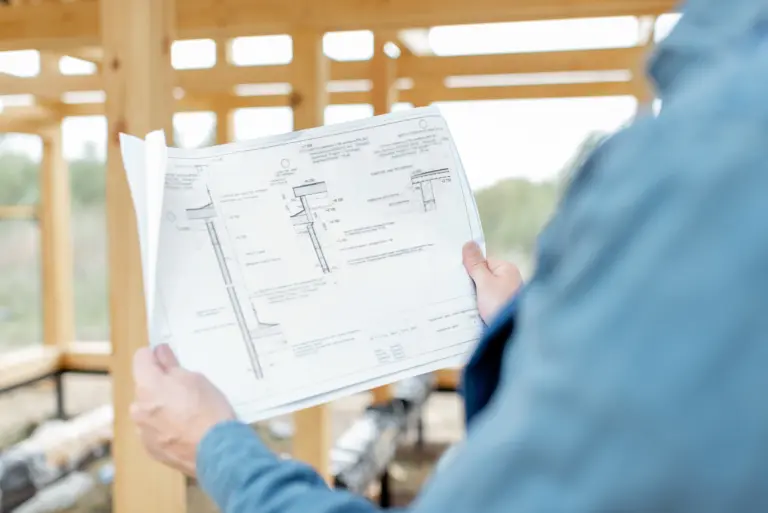

Most people do not fear construction itself. They fear the unknown. They worry about unanswered questions, vague timelines, and the feeling that the project is running them instead of the other way around.
At Battaglia Homes, we believe the process should feel as refined as the finished home. A well-managed custom build is not just about craftsmanship. It is about visibility, structure, and calm execution from the earliest planning stages through final handover.
Battaglia Homes is a luxury custom home builder based in Fallston, Maryland, serving Harford County and the surrounding Baltimore region. We build either on a Battaglia homesite, when available, or on your privately owned lot. What matters most is not only what we build, but how controlled and predictable the experience feels while your home is taking shape.
This guide explains what the custom home build process looks like in practical terms, what decisions matter most, where schedules usually slip, and what quality should feel like at the end of the project.
A Well-Run Luxury Build Should Feel Controlled
A luxury custom home project stays calm when three things are handled properly from the start.
First, the most important decisions are made early enough to protect ordering and sequencing. Second, changes are approved clearly and in writing before work moves forward. Third, communication is tied to milestones instead of constant noise.
You should never feel like you need to chase your own project. You should feel informed, supported, and confident without being overwhelmed.
How the Custom Home Build Process Typically Works
Every home has its own details, but a disciplined custom home build in Maryland usually follows a clear sequence.
1. Pre-Construction Alignment
This is where projects are either protected or exposed. Before construction begins, the scope needs to be tightened, allowances need to reflect realistic expectations, and decision timing needs to be clarified. When these things are not handled early, the build can quickly get pulled off course by late choices and changing assumptions.
2. Permits and Final Planning
Permits and approvals are part of every custom build. A realistic process respects that instead of pretending everything will move faster than it actually can. Final planning during this stage helps align the schedule with jurisdictional requirements and keeps the project grounded in reality.
3. Site Preparation and Foundation
Site access, excavation, grading coordination, and foundation work establish the physical beginning of the build. This stage sets the tone for the rest of the project because everything above it depends on getting the ground work right.
4. Framing and Dry-In
Framing is the stage where the house begins to take visible shape. Once the structure is in place, attention turns to the building envelope, including roofing, windows, exterior doors, and weatherproofing. This phase is critical because performance, durability, and protection all begin here.
5. Mechanical, Electrical, and Plumbing Rough-Ins
At this point, the home becomes functional behind the walls. Mechanical, electrical, and plumbing systems are installed and coordinated. This is also the stage where late changes can become expensive, because so many systems intersect and affect one another.
6. Insulation and Drywall
Insulation and drywall begin to define the comfort, acoustics, and finish readiness of the home. The structure starts to feel more complete, and the project begins transitioning from systems and structure into visible living spaces.
7. Interior Finishes
Cabinetry, tile, trim, flooring, paint, hardware, and fixtures all come together here. This is one of the most exciting parts of the build, but it also rewards preparation. Projects that are planned well move through finishes more smoothly and with fewer disruptions.
8. Final Phase and Handover
The final stage includes inspections, punch-out items, detailed verification, homeowner orientation, and handover. A luxury project should not end with a rushed exit. It should end with a clean, thoughtful transition into the home.
The Milestones That Protect the Schedule
Most schedules do not fall apart because someone forgot how to build. They fall apart because critical decisions and long-lead items collide with the construction sequence.
Some of the biggest schedule protectors are windows and exterior doors, cabinet layouts, appliance planning, tile decisions, lighting coordination, built-ins, and specialty ceiling details. These choices do not only affect the appearance of the home. They affect layout, ordering, and timing.
When the process is proactive, these decisions are addressed early enough that the build does not stop and wait for them later.
What Communication Should Feel Like During the Build
High-end clients do not want chaos. They want confidence.
Good communication during a luxury custom build should make it clear what has been completed, what comes next, and what decisions need your attention. Selections and approvals should be documented. Changes should be tracked clearly, including scope, cost, and schedule impact. There should also be a dependable path to get answers without creating unnecessary confusion.
A well-run build should not feel noisy. It should feel managed.
How Quality Is Verified Before Handover
Luxury is not defined by a material list alone. It is defined by execution.
Quality control means issues are identified before they get buried behind finishes. It means finish standards are clear rather than subjective. It means punch-out is handled with discipline rather than dragging on endlessly. Most importantly, it means handover feels complete, not like you are inheriting a list of unresolved tasks.
A custom home should feel finished when the keys are handed over.
Two Important Boundaries We Believe In
We do not compete on the lowest bid.
If your priority is simply the cheapest starting number, we are not the right builder for you. High-end homes require disciplined planning, careful execution, and a process that protects the final result. A low number at the beginning is rarely the number you live with at the end.
We also do not begin construction without decision-maker alignment.
The people signing off on the project or controlling funding need to be involved in key approvals. When decisions stall, schedules stall. Keeping decision-making structured is one of the clearest ways to protect the project.
Building in Harford County and the Greater Baltimore Region
Battaglia Homes builds throughout the Fallston–Bel Air corridor, across Harford County, and in select parts of Baltimore County. We often work with clients in and around Jarrettsville, Forest Hill, Baldwin, Hunt Valley, Cockeysville, and Towson.
In this region, the pace of permitting, sitework conditions, and lead times for premium products can vary significantly. That is why schedule protection depends on early decisions and disciplined sequencing rather than optimistic promises.
The Next Step
If you want the build process to feel controlled from the start, the best next step is to understand the guardrails that protect budget and schedule. From there, a consultation can help define scope, clarify expectations, and establish the right path forward for your home.
Battaglia Homes builds either on a Battaglia homesite, when available, or on your privately owned lot. In both cases, the process is designed to give you confidence, structure, and a final result that reflects the level of care invested from the beginning.
Custom Home Construction Timeline in Maryland: What Actually Controls the Schedule
Everyone wants a timeline they can trust. The challenge is that many construction timelines are written like best-case scenarios. Then real life gets involved. Approvals take longer than expected, selections are made late, and certain materials simply do not arrive on demand.
A realistic timeline is not built on optimism. It is built on planning, sequencing, and timely decisions.
Battaglia Homes is a luxury custom home builder based in Fallston, Maryland, serving Harford County and the surrounding Baltimore region. We build either on a Battaglia homesite, when available, or on your privately owned lot. This guide explains what actually controls the custom home construction timeline in Maryland and how the right process keeps the project moving without shortcuts.
A Predictable Timeline Starts Early
The schedule for a custom home is protected long before the house is framed. Most timeline problems begin much earlier.
The biggest factors that influence the construction schedule are permitting and approvals, site complexity, long-lead selections, and changes introduced after work is already underway. If you want a project to move steadily, the goal is simple: make important decisions before the job needs them, not while the job is waiting.
What Affects the Construction Timeline Most
Approvals and Permitting
Some approvals move quickly and others do not. A realistic builder plans around that reality. Timelines become more reliable when the process respects jurisdictional pace instead of assuming everything will happen on the ideal date.
Site Conditions and Sitework
Access, utilities, grading, drainage, and stormwater requirements can all add time, especially on build-on-your-lot projects. Two homes with similar square footage can move at very different speeds if the site conditions are not the same.
Long-Lead Items
Windows, exterior doors, cabinetry, fixtures, and specialty materials are common schedule drivers. If these selections happen late, the project can be forced to react instead of moving forward in sequence.
Changes After Rough-Ins Begin
Late changes are rarely small. Once rough-ins are underway, even simple adjustments can trigger rework, re-inspections, and conflicts with the schedule. The later a change happens, the more disruptive it usually becomes.
The Decisions That Protect the Schedule the Most
If homeowners want the schedule to feel steady and controlled, certain decisions need to happen early. These include the window and exterior door strategy, cabinetry layouts, appliance planning, tile direction, wet-area details, lighting intent, built-ins, and specialty ceilings.
These categories do not only affect the visual finish of the home. They influence ordering, layout coordination, and construction flow. Making these decisions early is one of the most effective ways to protect the timeline.
How We Keep the Schedule Clean
A smooth build does not happen by accident. It happens through disciplined milestone-based planning, decision timing that matches the real construction sequence, documented approvals, and structured change control.
It also requires decision-maker alignment. If approvals are delayed because the right people are not involved at the right time, the schedule can slow down even when the field work is ready to move.
When the process is managed properly, the timeline feels calm rather than constantly at risk.
The Next Step
If you want to understand how schedule protection works in practice, the next step is to look closely at the guardrails around changes, approvals, and budget control. Those systems are what keep custom home projects moving with clarity.
Battaglia Homes builds luxury custom homes with a process designed to reduce drift, protect sequencing, and create a schedule you can trust.
Communication During a Luxury Custom Build: Clarity Without the Noise
The best custom home projects are not the ones with the most emails, phone calls, or status messages. They are the ones where the homeowner always knows three things: what is finished, what is coming next, and what needs their input.
Good communication does not create noise. It creates confidence.
Battaglia Homes is a luxury custom home builder based in Fallston, Maryland, serving Harford County and the surrounding Baltimore region. We build either on a Battaglia homesite, when available, or on your privately owned lot. This guide explains what communication should feel like during a high-end custom build and what warning signs to watch for when evaluating any builder.
Why Communication Matters More Than Most Homeowners Expect
When communication is informal, projects drift. Drift leads to misunderstandings, delays, and budget problems, often at the worst possible moment.
Professional communication is not about excessive paperwork or constant messages. It is about making sure updates, approvals, and changes are handled clearly enough to keep the project aligned.
A custom build should never leave you guessing.
What Should Always Be Documented
Selections should be documented clearly. Allowance direction should be confirmed. Changes to scope, even small ones, should be tracked in writing. Cost and schedule impacts should be tied to those changes, and milestone approvals should be clear so everyone understands where the project really stands.
This is not about bureaucracy. It is about protecting the homeowner and the project from avoidable confusion later.
What Good Communication Feels Like
Strong communication during a luxury custom home build feels calm and intentional. You are not left wondering what is happening on site. You are not asked to approve major decisions in a rush. You receive prompts when decisions are needed, not after the schedule has already been impacted. Concerns are surfaced early while they are still manageable, rather than buried until they become expensive.
That is the difference between receiving updates and experiencing leadership.
Warning Signs of a Messy Communication Process
There are a few signs homeowners should take seriously.
If “we’ll figure it out later” becomes a recurring phrase, the project is likely drifting. If changes are handled verbally and only sorted out afterward, problems are already being created. If selections are not tied to a timeline, the build is at risk of delays. If the signer or funding decision-maker is absent from important approvals, the project can stall. If schedule promises are made without serious lead-time planning, those promises are unlikely to hold.
A clean communication system should reduce uncertainty, not create more of it.
Two Boundaries That Help Protect the Project
We do not compete on the lowest bid.
We compete on predictability, finish quality, and the experience of getting there. A project that appears inexpensive at the start often becomes far more expensive once drift, confusion, and change orders take over.
We also do not begin construction without decision-maker alignment.
Key approvals require the people who can actually say yes. That is how luxury custom home projects keep moving and avoid preventable delays.
How Communication Supports Budget and Schedule
Communication is not separate from budget or timeline. It directly affects both.
When approvals are documented, changes are authorized before work proceeds, and milestone updates are clear, the project stays cleaner. Homeowners know what is happening, the field team knows how to proceed, and unnecessary rework is less likely to appear.
That kind of clarity is one of the biggest differences between a stressful build and a well-managed one.
The Next Step
If you want to understand how communication connects to change approval, schedule protection, and investment control, the next step is to review the policies and process guardrails behind the build.
Battaglia Homes approaches communication the same way we approach construction itself: with structure, discipline, and a focus on creating confidence from start to finish.